Hydroseeding changes what is placed on the ground; it does not by itself diagnose or correct the soil below. A useful preparation scope examines the root zone, surface condition and constraints on working the soil. Ask what evidence supports any proposed correction and how the completed condition will be checked. This guide organizes that discussion without prescribing a universal topsoil depth, amendment dose, fertilizer rate or mechanical treatment for an unassessed property.
Separate the questions that soil must answer
Soil texture, structure, chemistry and the arrangement of layers are different questions. A sample or observation that helps with one may not answer the others. Describe the intended vegetation and site history first, then ask an appropriate adviser what assessment is needed. Keep the requested tests and locations linked to the decision they will inform.
AAFC describes how sand, silt and clay affect water movement and management. The practical planning implication is that a single generic treatment is difficult to justify across visibly different soils. Avoid diagnosing texture or quality from colour alone. A delivery described as black dirt should still have enough information for the project adviser to determine whether it fits the intended use.
Examine the profile and disturbance history
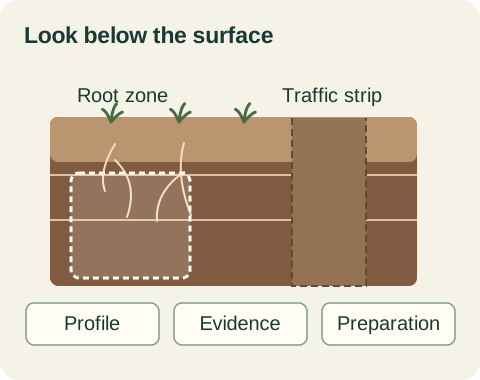
Record where soil has been excavated, replaced, mixed or repeatedly driven over. Note imported layers and any available builder or contractor records. If inspecting below the surface is appropriate, use a safe method that respects utilities and site constraints. The purpose is to identify conditions requiring interpretation, not to encourage unsupervised digging around services or structural features.
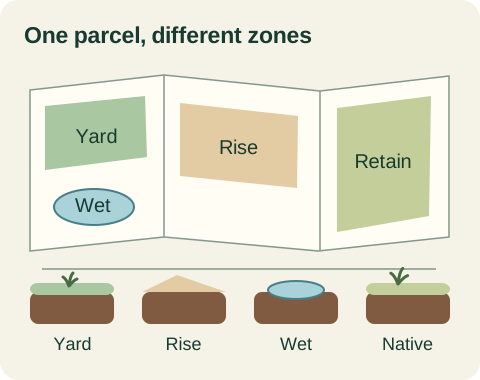
Compare a former material-staging strip with an undisturbed part of the same yard. They may deserve different assessment locations even if the finished surface looks similar. Mark those locations on the plan and ask whether testing or preparation should vary. The resulting scope can distinguish a localized correction from treating the whole property as if it had the same history.
Treat compaction as a condition to assess
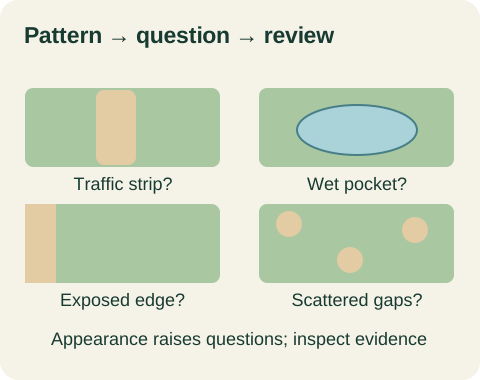
Repeated construction traffic is a reason to ask about compaction, but visible tyre marks do not determine the appropriate repair. Clarify where the concern is, what evidence will be used and who selects the response. A surface rake can improve appearance without resolving a deeper restriction. Conversely, aggressive working may be unnecessary or unsuitable where other constraints apply.
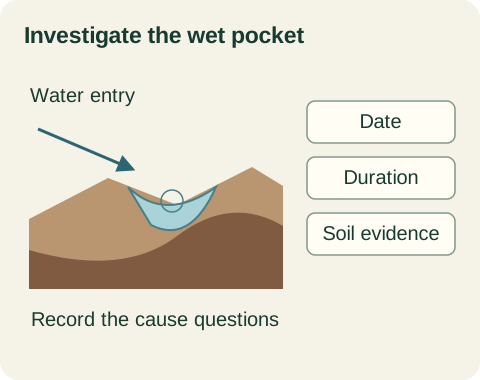
AAFC's wet-soil guidance explains that traffic on wet ground can force air out of pore spaces and impair movement of roots, water and air. That supports checking soil moisture before heavy operations. Its agricultural equipment examples are not a residential treatment prescription. Ask the contractor how work will avoid creating further disturbance while addressing the actual preparation objective.
Assess imported soil before treating it as an answer
Specify the source information and quality evidence needed for a proposed soil supply. Consider debris, unwanted seed, compatibility with existing material and the vegetation goal. Ask how quantities will be measured and how placement will preserve approved grades. A purchase volume alone cannot establish that the final growing conditions are suitable across the treatment boundary.
Where an adviser recommends a depth or a particular material, record the basis and the way it will be checked. Do not replace that recommendation with a generic number copied from another landscape context. Near foundations, drainage routes, retained vegetation or infrastructure, soil placement may have constraints beyond lawn growth. Include those constraints before ordering and spreading the material.
Define a prepared seedbed in observable terms
Ask the installer to describe what the surface should look and feel like for the specified seed-placement method. Identify debris, large clods, crusting, existing competing vegetation and uneven areas that require review. State who prepares the surface and who confirms it meets the agreed condition. Use representative photographs or a trial area if the wording remains ambiguous.
Seed-to-soil contact is a relevant principle, but it does not justify every mechanical operation. AAFC notes that breaking some crusted soils can leave clods that reduce contact. The appropriate action depends on the material and timing. Discuss how the proposed preparation supports placement while limiting avoidable erosion and disturbance; do not assume more working always produces a better seedbed.
Link nutrient decisions to evidence
If fertilizer or another amendment is proposed, ask for the actual product, rate, purpose and evidence supporting it. Identify whether a soil analysis or approved project specification governs the choice. A standard tank addition should not quietly become the nutrient plan for every area, particularly where the land use or soil differs between zones.
Keep application instructions and nutrient recommendations in their own units and records. The material planner can convert an entered mass rate into a quantity, but that arithmetic does not approve the rate. If a contractor proposes a change after inspection, have the responsible person review it and preserve the updated specification. This makes the recommendation traceable rather than an undocumented extra in a mixed load.
Sequence preparation with weather and access
Agree on a condition-based pause rule for ground that is too wet, unsafe or otherwise unsuitable for the proposed operations. Record who makes the call and what temporary protection remains necessary while waiting. A missed appointment is easier to manage when the decision process is known than when pressure to keep the schedule produces additional rutting or exposed soil.
Avoid leaving the prepared area vulnerable while unrelated construction continues. Identify the final disruptive task, staging removal and treatment date as a connected sequence. If the interval extends, ask who maintains the surface and rechecks readiness. A seedbed accepted several weeks earlier may no longer represent the condition received by the installer after traffic or weather changes.
Create a preparation record that can explain later results
Consider a hypothetical yard with a compacted delivery lane and a separate undisturbed section. The owner maps both, supplies the traffic history and requests the appropriate assessment. The written scope lists localized preparation, approved soil placement where needed and a readiness inspection. Materials are applied after those items are confirmed, with photographs tied to each zone.
If the delivery lane later shows thin growth, the record gives the reviewer specific preparation and site information to investigate. Without it, discussion may collapse into a general claim that the seed failed. Keep assessment results, recommendations, quantities, conditions at preparation and the handoff together. They help explain the project without claiming that any single soil action guarantees establishment.
Sources + further reading
- City of Calgary: Be YardSmart
- Agriculture and Agri-Food Canada: Soil texture and water quality
- Agriculture and Agri-Food Canada: Managing wet soils
Source review: 2026-10-04. Requirements and programs can change; confirm the current details with the authority or provider.