Start at the edge of the disturbance
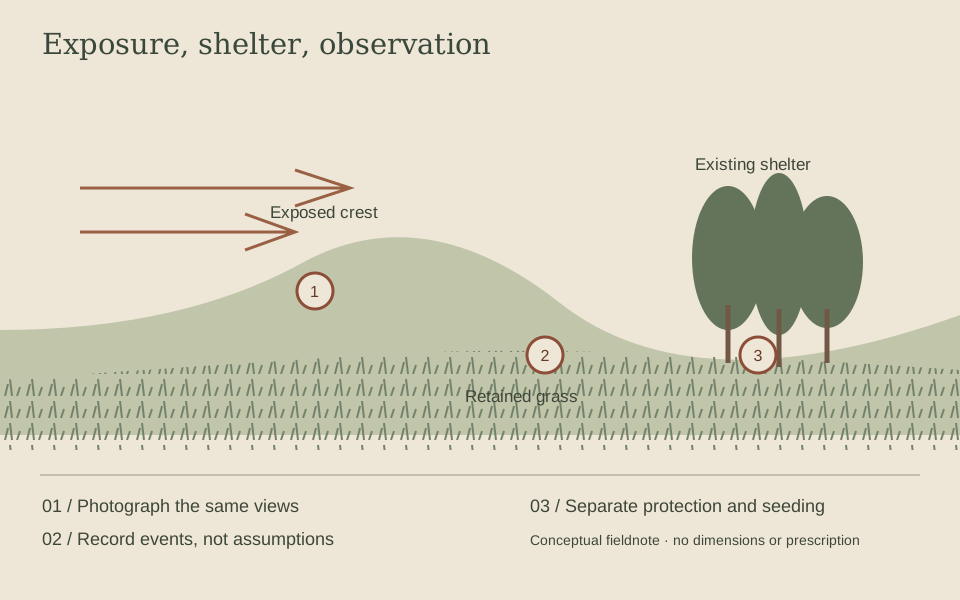
A bare patch on a prairie property belongs to a wider landscape. Before deciding how to seed it, walk the edge and note what already protects the ground: standing vegetation, retained grass, a change in slope or an established row of trees. Mark places where the surface is exposed and where loose material has collected. Describe what you see rather than assigning a treatment immediately. A sheltered corner and an open crest can need different conversations even when they sit inside the same proposed project.
Alberta Agriculture's Field Shelterbelts for Soil Conservation explains how shelterbelts can reduce wind erosion and complement residue management. It also treats shelterbelt planning as a decision involving site conditions and ongoing management. That agricultural guidance supports a useful principle here: preserve and understand existing protection before treating a new planting as the whole solution. It does not provide a design for your parcel.
Make a small exposure notebook
Choose a few safe, repeatable viewpoints. Give them plain names such as west approach, upper bench and garden edge. Take a wide photograph from each point, with the same direction and approximate framing on later visits. Record the date, recent weather and visible changes. A note that says “loose soil collected beside the fence after this event” is more useful than “the site is always windy”. Leave unknowns in the notebook; a short visit cannot establish a prevailing wind pattern.
On a sketch, separate the area proposed for disturbance from vegetation you intend to retain. Add roads, gates and places used by people or animals. Show gaps in existing shelter without implying that a new barrier should automatically fill them. Sightlines, snow movement, access and adjacent land uses also belong in the review. Keep the sketch conceptual until the relevant professional and authorities confirm the constraints.
Separate protection from establishment
Ask two different questions: what keeps the exposed surface protected while work is underway, and what supports the intended vegetation afterwards? Hydroseeding is an application method, not evidence that either question has been answered. Record the proposed sequence, who specifies temporary protection and who checks the surface after a significant weather event. Where erosion is already moving material, obtain a site assessment before relying on seed alone.
A practical brief can compare a smaller first phase with the entire disturbed footprint. Describe which areas would remain protected, which areas would be opened and how access would avoid unnecessary extra disturbance. Do not select a seed rate, barrier spacing or erosion product from this illustration. Those choices depend on the ground, the project objectives and an actual specification.
Turn the fieldnote into a decision
Finish with three lists: observed conditions, unresolved questions and responsibilities to confirm. Include your photographs, the approximate area and the point at which you would pause work for a further review. Keep wind exposure separate from water availability and soil condition so that one visible issue does not conceal another. Then use the planning tools to record your assumptions or send a project brief to HAUSE. A useful next step begins with a readable account of the site, not a promised outcome.
Put the note to work
Record the relevant observations, documents and unanswered questions in your project brief.
Prepare your request ↗