Write down what success means
A green surface is easy to photograph and difficult to interpret. Before a native-oriented revegetation project begins, describe the intended plant community, the use of the land and the conditions that would trigger a review. A lawn beside a house and a prairie restoration area are different objectives. Hydroseeding may be considered within a method comparison, but the application method does not decide which plants belong or how success should be evaluated.
Alberta Agriculture's Establishing Native Plant Communities organizes revegetation around planning, field operations, site management and assessment. Its topics include site conditions, materials, maintenance, protection, record keeping and evaluation. The notebook below is an editorial way to organize that conversation, not a substitute for a restoration plan or the identification of species.
Record what is already present
Photograph the proposed work boundary and the adjacent ground before disturbance. Mark areas that should remain untouched and places where access is intended. Give uncertain plants a temporary label and a photograph rather than guessing their identity. Ask the appropriate adviser whether a survey or other assessment is needed. Existing vegetation can be part of the site's value, so clearing the whole footprint to make it look uniform should not be an unexamined first step.
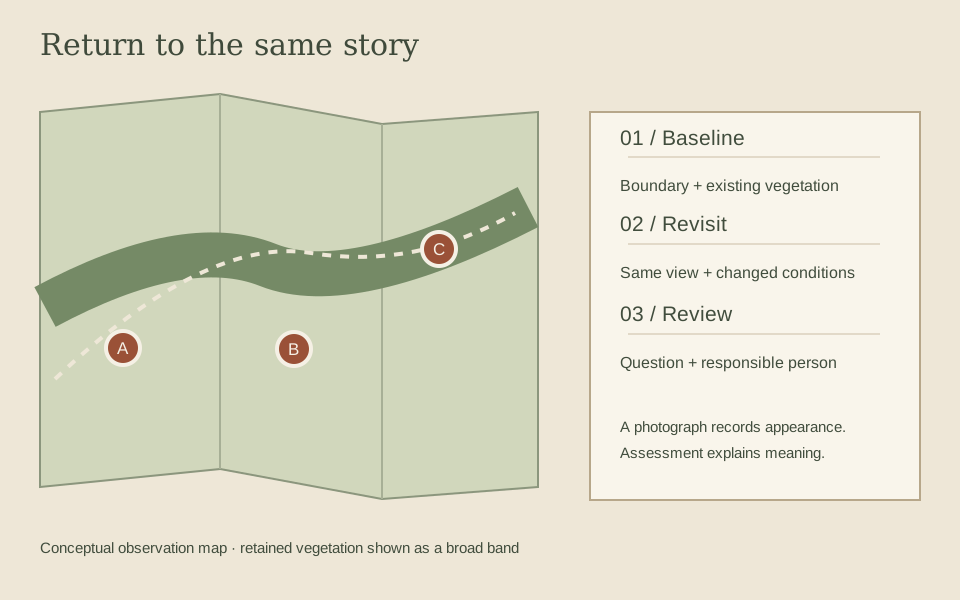
Keep the baseline simple enough to revisit. A useful record includes the date, a sketch, the location of a few observation points and the purpose of each photograph. If one point is intended to show a bare patch and another to show the transition to retained vegetation, say so. Avoid inventing a sampling design from a decorative grid: observation points and formal monitoring have different roles.
Organize a repeatable review
Use the same safe viewpoints when you return. Record cover, obvious changes in connected bare ground, visible erosion and any activity that may explain a change. Note weather and recent maintenance. Where plant identity or rooting condition matters, arrange the relevant assessment instead of inferring it from colour. A photograph can document a change, but it cannot confirm that every green plant is a desired species.
Decide who receives the observations and who can approve a change in the plan. The first response to a disappointing photograph should be a question about cause, not an automatic new seed application. Traffic, exposure, water movement, material choice and care responsibilities may each need review. Keep the original specification with the notebook so that later decisions can be compared with what was actually agreed.
Keep responsibilities attached to the record
List the person responsible for routine visits, the person asked to interpret uncertain findings and the contact for work that needs to pause. Record how existing vegetation and work boundaries will be protected during access. If those responsibilities are not agreed, write “to confirm” rather than allowing an empty space to imply that somebody else will handle them.
Finish each visit with a short next-action note: continue observing, request an assessment or discuss a defined change. The observation tools can help organize user-entered criteria and visit effort; they do not certify ecological success. When you prepare a HAUSE brief, explain the intended community, the evidence gathered and the unresolved decision. A useful season notebook preserves the story of the ground as well as its appearance.
Put the note to work
Record the relevant observations, documents and unanswered questions in your project brief.
Prepare your request ↗